Sekolah Bakal Caleg DPD PKS Kabupaten Sukabumi
PKS, siapapun yang menggunakan atribut itu, dari Presiden hingga anggota biasa di tingkat ranting adalah wujud nyata dari wajah Islam rahmatan lil’alamin. Ruh dasar Islam memang rahmatan lil’alamin. Ia adalah kasih sayang kepada seluruh alam. Seluruhnya. Termasuk bagi mereka yang berbeda keyakinan. Bahkan rahmat untuk hewan dan tumbuhan.
Peneguhan ini menjadi ruh PKS. Jalan hidupnya adalah rahmat, pandangan hidupnya adalah Islam washatiyah. Moderat dan pertengahan. Sebuah konsep yang mulai kembali diteguhkan oleh ulama-ulama Tanah Air. PKS sebagai bagian dari perjuangan umat, hadir dengan wajah yang sama: wahsatiyah.
Wajah wahasthiyah PKS juga hadir dalam penerapan Pancasila, UUD NRI 1945 dengan mengawal fitrah demokrasi. PKS ingin transisi kepemimpinan nasional dan berbagai proses legislasi yang lahir selalu merujuk pada Pancasila dan UUD NRI 1945.
PKS mewajibkan diri menjadi yang terdepan sebagai penjaga Pancasila dan UU NRI 1945 agar ia tidak melenceng demi hasrat melanggengkan kekuasaan.
Pemimpin yang dingin dilahirkan PKS adalah mereka yang dibekali dengan etik kepemimpinan. PKS siap bekerjasama dengan lembaga strategis negara seperti Lemhanas guna melahirkan pemimpin PKS yang berjiwa negarawan.
Siapa saja bisa jadi pemimpin di PKS. Siapa saja. Tak peduli suku, agama, profesi tua maupun muda. Perubahan dan peneguhan PKS menjadian PKS terbuka bagi siapa saja. Sejak dulu sebenarnya. Hanya kini kami mengajak secara terbuka dan setulus hati, mari bergabung dan bekerjasama sebab cita-cita dan tujuan kita sama sebagai bangsa: Mewujudkan cita-cita nasional sebagaimana Preambule UUD 1945.
Dr. H. Habib Salim Segaf Al-Jufri, Lc., M.A.
Ketua Majelis Syuro
Bangsa ini membutuhkan kepemimpinan yang bisa membawa perasaaan kebangsaan yang sama: satu rasa, satu nasib dan satu penanggungan. Pemimpin yang ketika berbicara, rakyat bisa memegang teguh kata-katanya. Pemimpin yang ketika berjanji, maka dia akan berjuang keras untuk menepatinya. Pemimpin yang ketika bekerja, rakyat bisa merasakan hasil karyanya. Pemimpin yang ketika memerintah, rakyatnya mau mendengar dan taat untuk menjalankan perintahnya Pemimpin yang ketika berbuat salah, dia tak segan untuk meminta maaf, berlapang dada menerima nasehat dari rakyat yang dipimpinnya.
Partai Keadilan Sejahtera, sebagai bagian yang tak terpisahkan dari Negara Kesatuan Republik Indonesia, telah menggariskan dengan tegas bahwa Visi PKS sejalan dengan visi besar para pendiri bangsa. Dalam Anggaran Dasar PKS Pasal 5, Visi PKS adalah “Menjadi Partai pelopor dalam mewujudkan cita-cita nasional bangsa Indonesia sebagaimana dimaksud dalam Pembukaan Undang-Undang Dasar Negara Republik Indonesia tahun 1945”. Dalam rangka mewujudkan cita-cita tersebut, PKS merumuskan dalam AD Partai Pasal 6 bahwa MISI Partai adalah “Menjadikan PKS sebagai sarana untuk mewujudkan masyarakar MADANI yang ADIL, SEJAHTERA DAN BERMARTABAT yang diridhai Allah SWT dalam bingkai keutuhan Negara Kesatuan Republik Indonesia.”
H. Ahmad Syaikhu
Presiden PKS
Indonesia saat ini membutuhkan kehadiran para pemimpin yang mengikuti sifat Rasulullah dan sifat sahabat Rasulullah, tidak ada yang kita harapkan kecuali pemimpin yang amanah, sidiq, fatonah dan tabligh. Inilah pemimpin yang akan membawa kita semua keluar dari musibah
Seluruh kader PKS harus bisa menjadi pelopor untuk melayani rakyat. Karena hakikatnya pemimpin adalah pelayan bagi rakyat”. Bila kita sigap terbiasa menjadi pelayan rakyat, insya Allah suatu hari Allah swt memberikan amanah kepemimpinan.
Dr. Haru Suandharu
Ketua DPW PKS Jawa Barat
Menghadapi Pemilu Legislatif tahun 2024 DPD PKS Kabupaten Sukabumi Mengajak Kepada Seluruh Putra/Putri Terbaik kabupaten Sukabumi Untuk Berjuang Bersama Melayani Rakyat Bergabung dan Mempersiapkan Diri menjadi bakal Calon Anggota Legislatif ; DPRD Kabupaten Sukabumi, DPRD Provinsi Jawa Barat dan DPR RI Daerah Pemilihan Kabupaten Sukabumi melalui Sekolah Bakal Calon Legislatif PKS
TERBUKA UNTUK UMUM DAN GRATIS
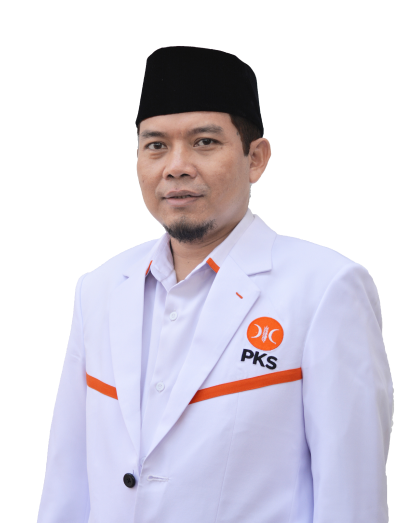
M. Sodikin, ST
Ketua DPD PKS Kabupaten SUkabumi
Apa Itu Sekolah Bakal Caleg
Sekolah Bakal Caleg PKS adalah sebuah layanan pendidikan politik yang diselenggarakan oleh DPD PKS Kabupaten Sukabumi secara terbuka, intensif dan terstruktur bagi masyarakat secara umum.
Sekolah Bakal Caleg PKS diselenggarakan untuk mempersiapkan Putra/Putri terbaik Indonesia dalam menghadapi pemilu 2024 sebagai bakal calon anggota legislatif di semua tingkatan (DPRD Kab.Sukabumi, DPRD Provinsi JABAR dan DPR RI) dari daerah pemilihan kabupaten sukabumi.
Proses pembalajaran dilaksanakan secara sistematis dan komprehensif melingkupi materi-materi tentang wawasan Kebangsaan, Demokrasi, Islam, Partai Politik dan metodelogi pemenangan Pemilu Tujuan dari Sekolah Bakal Caleg PKS ini adalah melahirkan bakal calon anggota legislative yang memiliki kesiapan (pengetahuan, kesadaran dan praktek) dan kemampuan serta kemauan untuk Melayani Rakyat dengan cara memenangkan Pemilu 2024.
Apa Saja Syaratnya
- Warga Negara Indonesia
- Usia minimal 21 tahun (pada Juli 2023)
- Pendidikan minimal SLTA (atau sederajat)
- Bersedia menjadi Anggota PKS
- Mengisi formular pendaftaran
Waktu Pendaftaran
18 Oktober 2021 Sampai 31 Desember 2021
Silabus
Untuk mempelajari lebih lanjut anda bisa mendownload Silabus Sekolah Bakal Caleg PKS dibawah ini
Organisasi
Pengarah
Satgas BPD 4 DPW PKS Jawa Barat
Ketua
Ketua DPD PKS Kab. Sukabumi
Pembina
Ketua Bidang Kaderisasi DPD PKS Kab. Sukabumi
Manager Sekolah
Ketua BP3 DPD PKS Kabupaten Sukabumi
Sekretaris
Sekretaris BP3 DPD PKS Kabupaten Sukabumi
Bidang Kurikulum
Bidang Kaderisasi DPD PKS Kab. Sukabumi
Bidang Keuangan
Bendahara DPD PKS Kabupaten Sukabumi